It's #NationalIceCreamDay and that deserves two blog posts, in my humble opinion.


It's #NationalIceCreamDay and that deserves two blog posts, in my humble opinion.
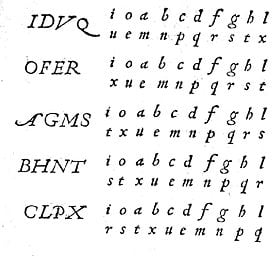
Early on when writing The Chef's Secret, I knew that I had two stories to tell, that of Bartolomeo Scappi in the past, and that of his nephew and apprentice, Giovanni, in the present. Giovanni came into possession of journals and letters which told him the big secrets of his uncle's past.
My latest YouTube vlog is all about the fun questions I'm frequently asked, either on tour, or in interviews. Find out who my favorite artists are, some surprising things I've learned about Italy, and what I'm reading at the moment.

I'm often asked what books about food that I love. It's a REALLY long list. I'll probably do a few videos where I describe my faves, but here's the first installation.
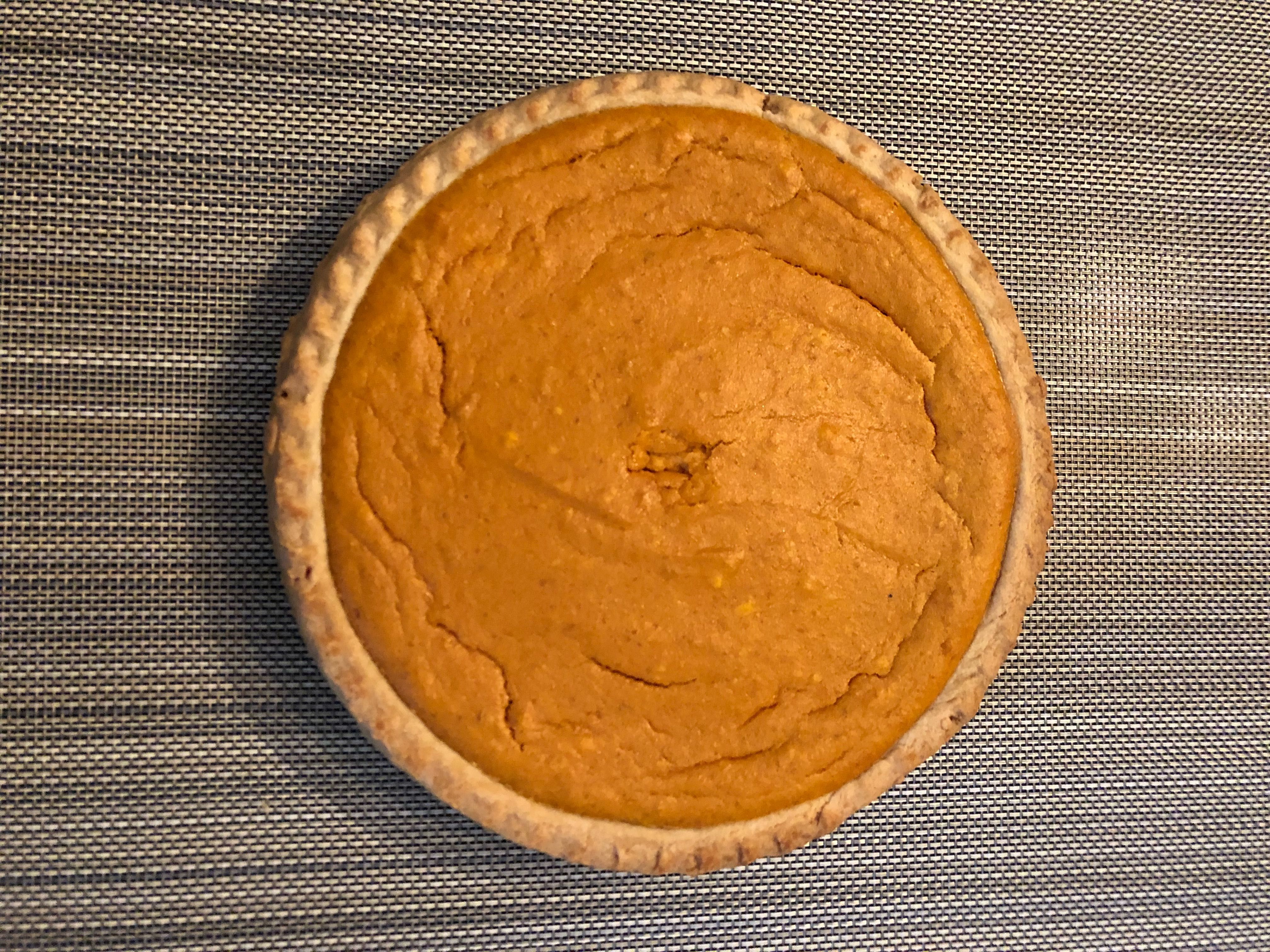
It's #NationalPieDay!! So of course I had to share one of my favorite Renaissance recipes, one for a pumpkin tourte.
Pumpkin pie in the Renaissance? I hear you say. Isn't that a food from North America? Why yes, but let me explain. In renowned chef Bartolomeo Scappi's 1570 cookbook, he describes a pie which includes a recipe for a gourd that translates as the word "pumpkin." Now, the word for "pumpkin" has been used on a variety of gourds throughout the centuries, dating back to ancient times. It's possible that the pie he describes was actually a squash pie, but with the influx of foods from the new world (Scappi also includes some of the first European recipes for turkey in his book), I like to think that perhaps the pumpkin that we know and love today might have been what Scappi was using when he created this recipe.

The holidays are past, and January is off to a shivery start in most places. In New England, it's really just the start of winter, with February at it's deep, dark, freezing heart.

A last minute post for National Poetry Day.
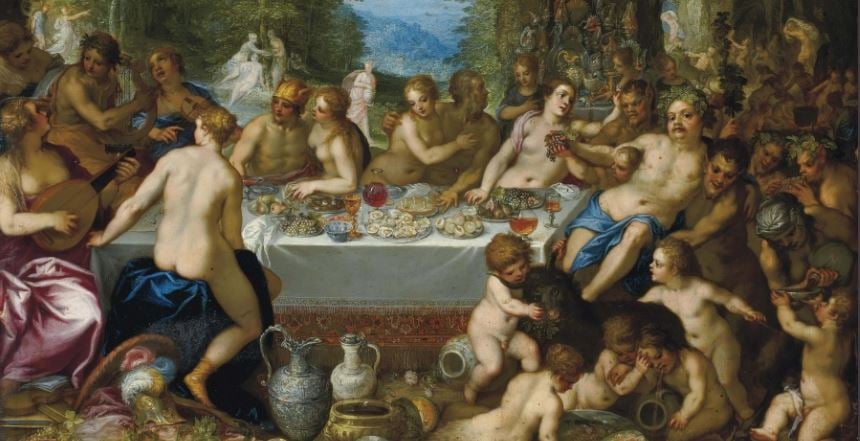
This article first appeared in the inaugural issue of the beautiful food history publication, EATEN Magazine. If you love food and love reading about the fascinating history of food, definitely snag a subscription...you won't be sorry! The photos of the cake were taken by Valerio Necchio.
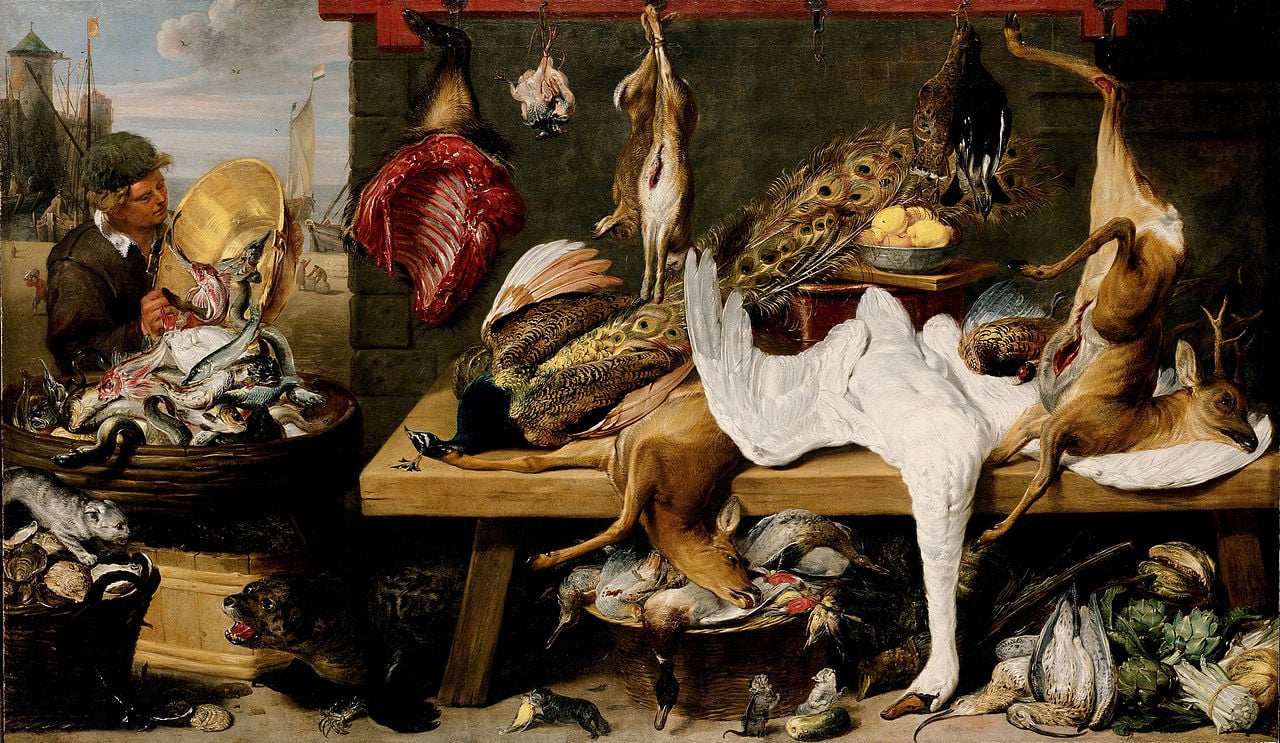
Renaissance chef (and character in my second novel), Bartolomeo Scappi, wrote a cookbook that was released in 1570 and was one of the most reprinted cookbooks over the next two hundred years. One of the most wonderful things about his cookbook, The Opera of Bartolomeo Scappi, is that it is still very accessible today. There are exceptions, for example, modern audiences would not be interested in some of the meats (hedgehog or blackbird anyone?), and many of the items are not readily available or, like his feathered peacock, are too elaborate too make.
Fortunately, many of his recipes are are still pretty easy to figure out. Like this one for braised beef:
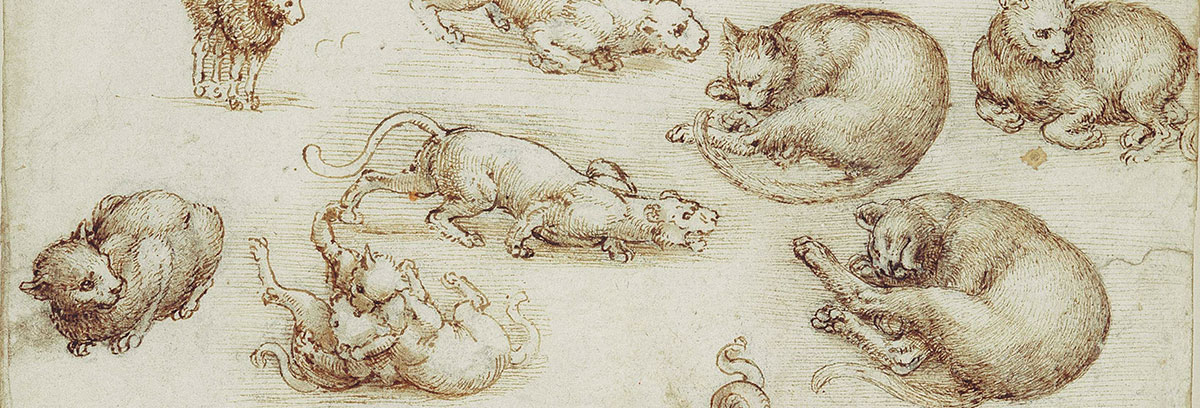
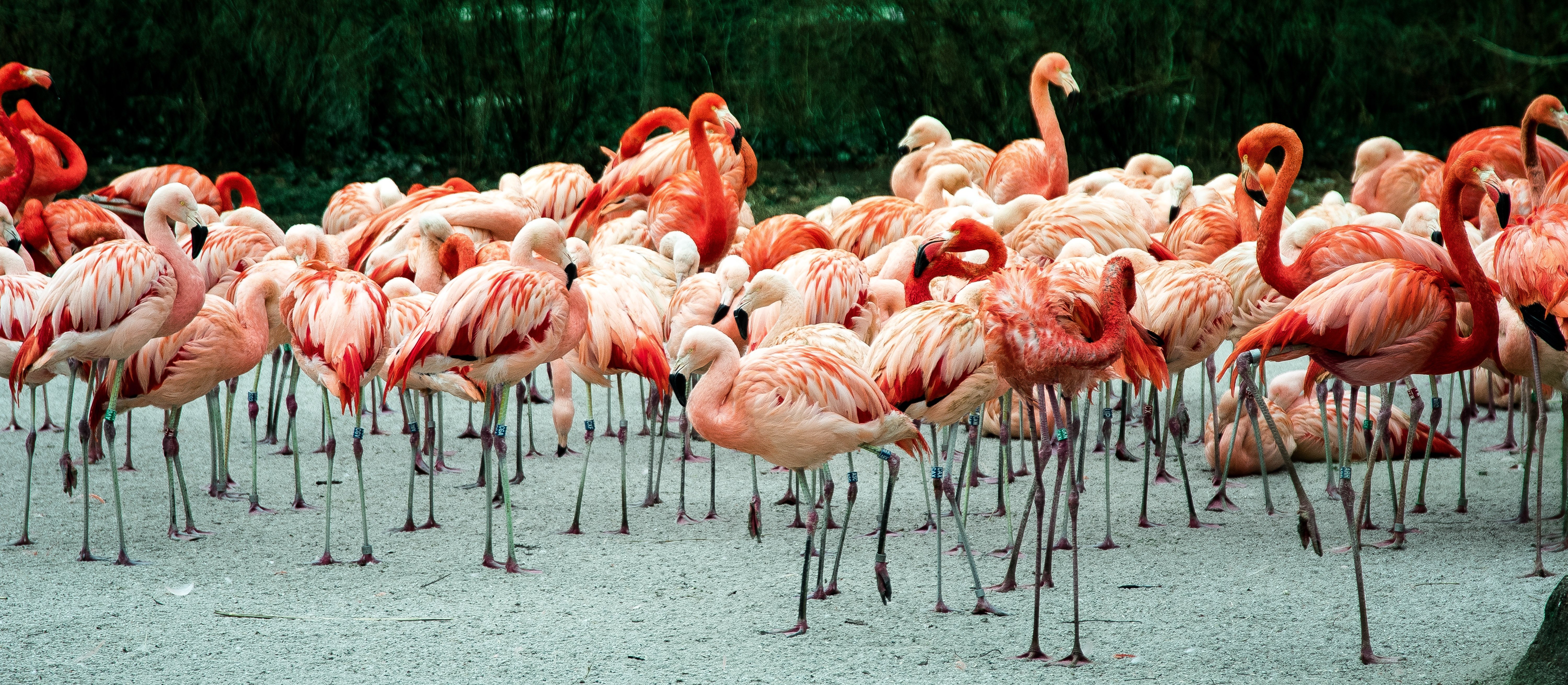
According to the ancient Roman historian, Pliny the Elder, "Apicius, the most gluttonous gorger of all spendthrifts, established the view that the flamingo's tongue has a specially fine flavor." The poet Martial, who was born a few years before Apicius died, agreed, saying: “My red wing gives me my name, but epicures regard my tongue as tasty. But what if my tongue could sing?” They don't actually sing, however. They tend to honk and squawk.
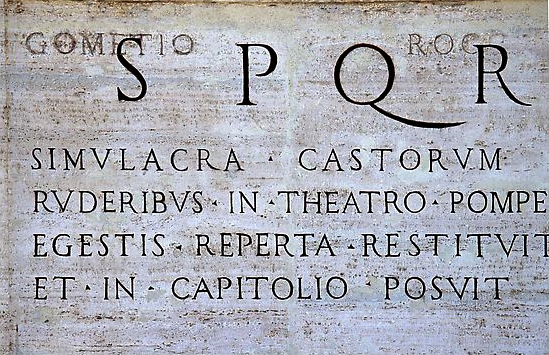
Writing a book set in Ancient Rome means that I have to work with a lot of names that are probably unfamiliar to people, such as Thrasius, Sotas, and Ruan. And, ironically, when I included ancient Roman names that have survived the centuries, such as the name Melissa, my readers told me that the name felt too out of place.

2017 was such a wonderful year for books set in my favorite country, Italia. My own novel, FEAST OF SORROW, about the ancient Roman gourmand, Apicius, hit bookshelves in April and it's been a crazy, fun, whirlwind year talking to readers and promoting my book. But the best thing about the year, for me, was meeting many of these authors and talking to them about Italy and getting a chance to read their books.

Inviting an author to speak with your book group can be a fantastic way to enhance the experience of discussing a great book. My bet is you'd be surprised at how many authors (like Annie Hartnett, featured here with a book club reading her book, RABBIT CAKE), will agree to come to your house, library or restaurant to talk about their books.

My novel, FEAST OF SORROW, is full of food. Everything about the story pivots around meals, ingredients and what food represents. One of the main characters is a Roman gourmand named Apicius, whose name is on the world's oldest known cookbook.
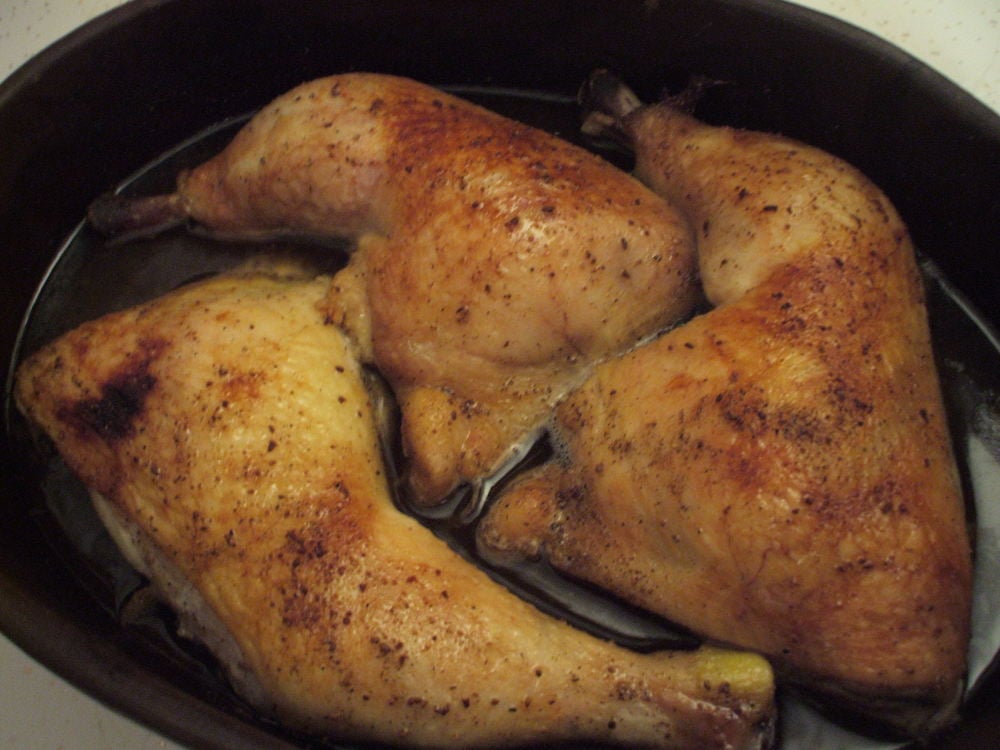
When researching my book, FEAST OF SORROW, one of the fun bits was trying out various recipes and experiencing the flavors of ancient Roman food. The book is about Apicius, a first century Roman whose name appears as the title of the oldest known cookbook.
One of the recipes in Apicius is for Parthian chicken. Parthia was part of ancient Persia, now in a region of north-eastern Iran. Much to my delight, it turns out that the Parthians really knew how to make chicken. Hands down this is one of the best chicken dishes I've ever had. It's juicy and tender with a perfectly crispy crust.

Writing tech and freelance marketplace startup, Reedsy, is running a really cool campaign called "#IWriteBecause: A Campaign By Writers for Writers" which showcases authors and the reasons why they write. They want to bring writers together through video. For every author who contributes a video, Reedsy is going to donate $10 to Room to Read, a non-profit foundation that focuses on literacy acquisition and girls’ education in Africa and Asia. Over 11.5 million children have benefited from Room to Read’s charity efforts in over ten countries.

I began writing FEAST OF SORROW in 2007. I had about five or six chapters when I joined Lisa Border's Grub Street summer Novel in Progress class and began workshopping it. In it I met one of my writing partners, Anjali Mitter Duva. When I took the fall class, I met another writing partner, Jennifer Dupee. I was off and running.

Yesterday I had the great opportunity to be on Boston Herald radio! I had no clue they snapped a photo. :-)
Another year nearly gone by. A time for reflection and a time for resolutions. The end of this year feels fraught with anxiety for me, for a variety of reasons. I know I'm not alone in this regard. There seems to be a collective UGH that the people around me are saying. 2016 can't go away fast enough, for me, and for many others out there.